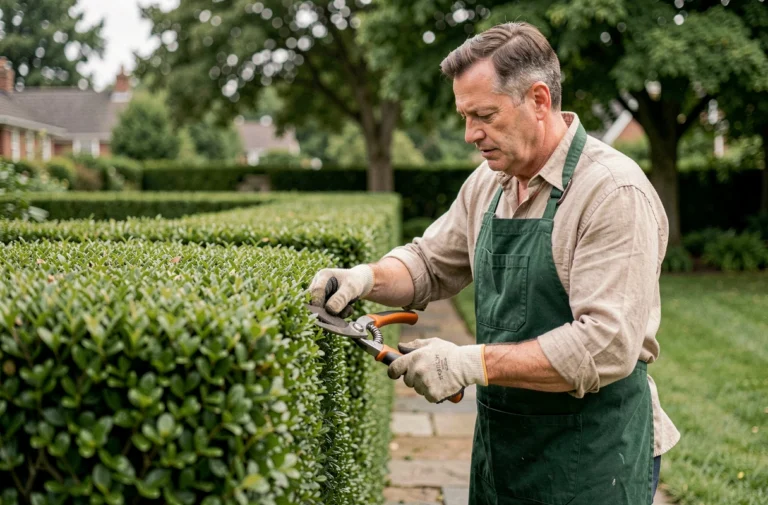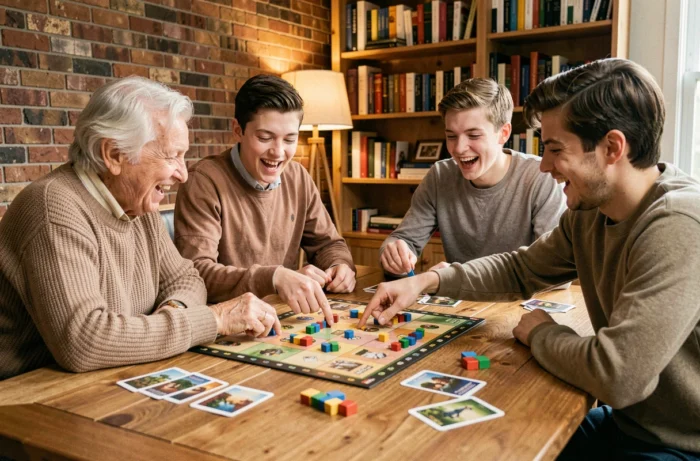
On Saturday afternoon, the couch has already been used for three hours and the WhatsApp group is looping on the same question: what are we doing? We all know that moment when neither the weather nor the budget makes the decision easier. The good news is that fun activities accessible for families or friends have greatly diversified in recent years, well beyond Sunday night bowling.
Multi-activity complexes: several leisure activities under one roof
Rather than choosing between karaoke, billiards, or escape games, we can now combine everything into a single outing. The French leisure market is seeing a rise in indoor multi-activity complexes that bring together arcades, virtual reality, skill games, and sometimes even on-site dining.
The concrete advantage: every group member finds something they enjoy. Children rush to the arcade machines while adults compete in karaoke, and then everyone comes together for an escape game. No need to negotiate for twenty minutes in the parking lot.
For those looking for this type of option, you can discover the activities at Joker Amusement and compare the available formats near you. This type of venue is suitable for both children’s birthdays and outings with colleagues.
Escape games in France: a format that is evolving
One might think the concept has run its course after a decade of presence. The numbers say otherwise: around 900 establishments with more than 2,400 rooms across the country, a turnover exceeding 200 million euros, and an estimated annual growth of between 5% and 7%.
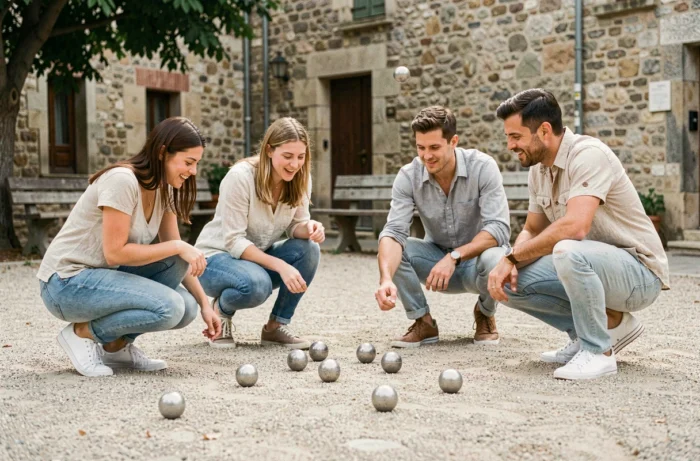
What is changing is the nature of the scenarios. Recent rooms incorporate sensory mechanisms (total darkness, olfactory effects, unstable floors) that transform the experience into both a physical and intellectual journey. Some establishments offer rooms accessible from age 8 with adapted puzzles, making it a true family activity.
One point to check before booking: the minimum and maximum number of participants varies by room. For a group of four, some scenarios work very well. With eight or ten, it’s better to opt for “large group” formats or book two rooms simultaneously to maintain the intensity.
Cooperative board games: playing together without competition
Whether with friends or family with children, direct competition sometimes creates more frustration than enjoyment. Cooperative games solve this problem by placing all participants on the same side: we win or lose together.
The principle works particularly well in three situations:
- When skill levels are very different (a 6-year-old with adults), cooperation allows younger players to contribute without being eliminated in the first round.
- When the group doesn’t know each other well (colleagues, neighbors, friends of friends), the cooperative mode avoids tensions related to direct competition.
- When you want a short but intense game: most modern cooperative games last between 30 and 60 minutes, with a gradual increase in difficulty.
Feedback varies on this point, but games with limited communication (where you can’t say everything to your teammates) often generate the best moments of laughter. Trying to understand each other without speaking creates a playful tension that classic games rarely achieve.
Outdoor family activities: hiking and nature sports
Hiking has established itself as the most practiced physical activity in France. Its accessibility partly explains this success: no expensive equipment, no reservations, and marked trails everywhere across the country.
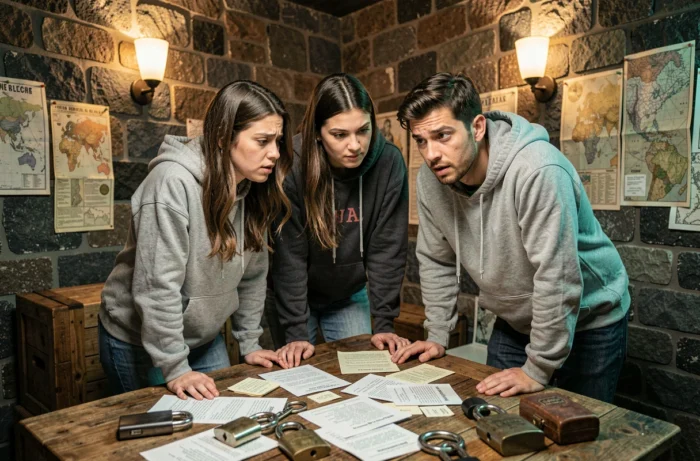
To keep children’s interest on a multi-kilometer hike, you can turn the walk into a game. Here are a few methods that work well on the ground:
- The natural element hunt: prepare a list of items to spot (feather, mushroom, flat stone, animal track) and check them off as you go.
- The photo rally: each participant must capture five specified items with a phone. Compare the photos upon return.
- Secret missions: give each child an envelope with a challenge to discreetly complete during the walk (count the bridges, find the oldest tree, spot a specific bird).
Canoeing is another intergenerational option that combines physical effort and discovery. Guided courses in calm waters are suitable from age 6 or 7 and require no prior experience.
Game nights at home: the easiest format to organize
No travel, no significant budget, no time slot to reserve. A game night at home remains the most flexible format for enjoying a fun moment with others. The key is to choose the game based on the group present.
For a group of adults who enjoy chatting, party games with hidden roles (like Werewolf, but also shorter modern variants) work very well. For a mix of adults and children, skill or speed games level the playing field.
Planning two or three different games for the same evening prevents boredom. Start with a quick game to warm up the group, follow with the main game, and finish with a short format that everyone knows how to play.
A common mistake: bringing out a game with complex rules in front of people who haven’t played in years. It’s better to choose a game with rules that can be explained in two minutes, even if it means increasing the complexity at the next game night.
Whether in a leisure complex, an escape game room, a hiking trail, or around the living room table, the common thread of memorable activities remains the same: they are shared with people we appreciate, and the rules are understood by everyone in less than five minutes.