The ready-to-wear market in 2026 is no longer viewed solely through the lens of fashion shows. Sales data and regulatory changes are reshaping how a shopping selection is constructed, far beyond visual inspiration. Understanding these mechanisms allows for more sustainable and relevant wardrobe choices.
Fast fashion law and mandatory labeling: what changes for fashion shopping
French regulations have just crossed a threshold. The text definitively adopted by the Senate requires ultra-fast fashion platforms to display awareness messages about reuse, sobriety, and recycling directly on their sales interfaces.
Even more concretely: the place of manufacture must now appear as prominently as the price. For those curating a shopping selection, this change is structural. We will no longer be able to present a trendy piece without its origin being immediately apparent to the consumer.
Starting from January 1, 2027, all advertising for fast fashion brands will be prohibited, including through influencers, with fines of up to 100,000 euros. This framework profoundly alters how fashion trends circulate online. Independent blogs and media that offer reasoned curations, such as Mademoiselle C’s shopping selections, gain relevance against the sponsored flows of low-cost platforms.
Fashion trends 2026: pieces driven by data, not just by runways
Most trend articles compile runway silhouettes without commercial grounding. The 2026 sector analyses tell a different story. Certain categories show measurable progress that directs purchases far more reliably than a mood board.
Raw denim and monochrome silhouettes
Raw denim is experiencing strong momentum in 2026, available in straight jeans and unwashed jackets. The trend does not come from an isolated designer but from a fundamental demand. A well-cut raw jean can last through several seasons without losing its appeal, placing it at the opposite end of the fast fashion cycle.
Structured bags and large polka dots
Bags with geometric lines are significantly progressing on sales platforms. Their appeal lies in versatility: a structured bag works well with both office attire and weekend looks.
The large polka dot pattern returns in regular waves, but 2026 marks a notable peak in interest. It can be found on dresses, blouses, and even accessories, with a preference for black and white contrasts or combinations of bright colors.
Building a seasonal wardrobe without succumbing to constant renewal
Current fashion trends should not translate into a complete wardrobe overhaul every season. We recommend an approach based on key pieces: a few targeted purchases that integrate with what already exists.
- A raw denim jacket that replaces both the casual blazer and the lightweight overshirt, from spring to autumn
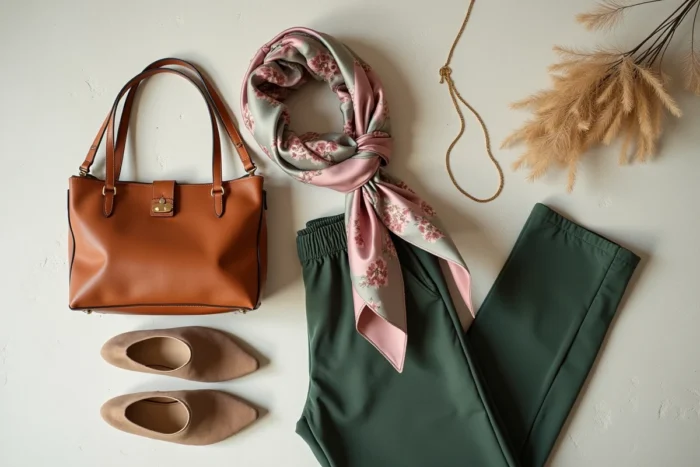
- A structured bag in a neutral color, capable of carrying an entire outfit without additional accessories
- A patterned dress (polka dots, wide stripes) that works alone in summer and layers with a turtleneck in winter
- Linen or fluid material trousers for the office when temperatures rise, a direct alternative to jeans in the warm season
This type of selection is based on a simple principle: each purchased piece must cover at least three usage contexts. A garment that only works in one situation ends up relegated to the back of the closet.
Materials and manufacturing: criteria that shopping selections should display
With the obligation to display the place of manufacture, consumers have an additional lever for choice. The material remains the primary indicator of a piece’s longevity.
- Certified organic cotton offers better durability in washing than conventionally treated cotton
- Linen, predominantly grown in Europe, wrinkles but gains in softness over time, making it an investment for several seasons
- Recycled synthetic materials (notably recycled polyester) are suitable for technical pieces but remain less pleasant to wear for everyday clothing
Transparency about composition and geographical origin is becoming a selection criterion on par with style or price. Shopping guides that incorporate this data provide a more comprehensive service than those limited to visual trends.
Reuse and second-hand: a segment that influences trends
The second-hand fashion market is no longer limited to vintage thrift stores. Structured recommerce channels (certified resale platforms, online consignment shops) create a parallel flow that directly influences trends. A piece that resells well at a fair price indicates sustainable demand, not a fleeting craze.
For consumers, integrating second-hand into their fashion shopping habits is no longer a militant approach. It has become an economic reflex as much as an ecological one. A structured branded bag bought second-hand retains its utility value while costing significantly less.
The most useful shopping selections in 2026 are those that intersect three evaluation grids: the stylistic relevance of a piece, its material durability, and its regulatory context. Buying less but more purposefully has never made as much concrete sense as with the new labeling obligations and the rise of reuse.